How to avoid hidden charges for Hackney rubbish removal
Posted on 22/06/2026
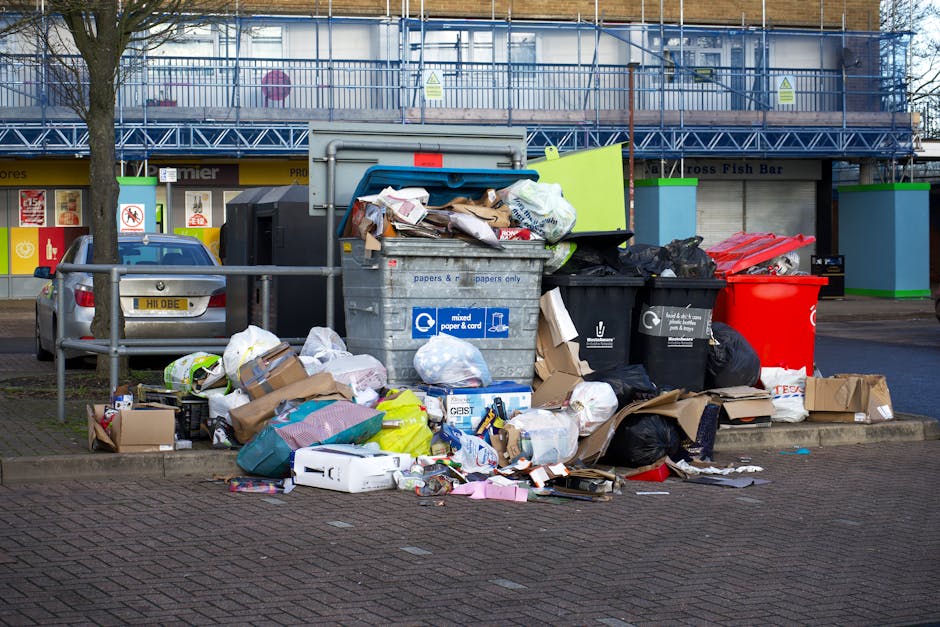
If you have ever booked rubbish removal and then spotted a bill that was mysteriously higher than expected, you are not alone. Hidden charges can creep in through access fees, labour add-ons, minimum load rules, parking issues, and awkward wording in quotes. The good news? Learning how to avoid hidden charges for Hackney rubbish removal is mostly about asking the right questions before anyone lifts a bag. A bit of prep now can save you a proper headache later.
This guide explains what to check, what to question, and how to compare quotes without getting caught out. It also covers common local scenarios in Hackney, from tight stairwells and flat blocks to same-day clearances and bulky items that are heavier than they look. Let's keep it simple, practical, and honest.
Why avoiding hidden charges matters
Hidden charges are more than an annoyance. They make it hard to compare providers, they turn a simple tidy-up into a tense conversation, and they can leave you feeling like you have been sold one thing and charged for another. In Hackney, where properties often have limited parking, shared entrances, basement flats or long carry distances, price surprises are especially common if the quote was vague from the start.
The risk is not just financial. If you approve a job based on a cheap headline price, then discover extra costs after the team has arrived, you may feel pressured to accept the higher bill because the rubbish is already in the hallway or outside the building. That is exactly why clear quoting matters. A trustworthy provider should explain what is included, what is not, and which factors could change the final amount.
For a broader breakdown of typical pricing factors in the area, it helps to read this guide to Hackney rubbish removal costs in E8. It gives useful context before you compare quotes.
Expert summary: If a quote sounds unusually cheap, assume it may exclude something. The safest approach is not to chase the lowest number, but the clearest one.
How rubbish removal pricing usually works
Most rubbish removal companies price jobs using a mix of volume, weight, waste type, labour, and access. That sounds a bit technical, but it is fairly straightforward once you break it down.
- Volume: how much space your waste takes up in the truck, often measured in portions of a van load.
- Weight: especially relevant for heavy materials like soil, rubble, tiles, or builder's waste.
- Waste type: some items cost more to handle because they need special sorting or disposal.
- Labour: how long the team spends loading, carrying, and clearing.
- Access: stairs, lifts, parking distance, narrow lanes, or no stopping zones can all affect time and effort.
When pricing is done well, all of this should be explained before the job begins. When pricing is done badly, you get a cheerful phone quote that changes the moment the team sees a third-floor flat with no lift and a sofa that clearly had stronger opinions than anyone expected.
That is why you should always ask whether the quote is fixed or estimate-based. A fixed quote should stay fixed unless you change the scope of work. An estimate is more flexible, but it should still come with clear conditions. If those conditions are not explained, treat that as a warning sign.
If you are still comparing services, the pricing and quotes page is a sensible place to start, because transparent pricing is exactly what you want to see from the outset.
Key benefits of a transparent quote
Clear pricing is not just about avoiding unpleasant surprises. It can actually make the whole process quicker, calmer, and more efficient. Once you know what is included, you can decide whether you need a full clearance, a same-day collection, or a smaller pickup for a few bulky items.
- Better budgeting: you can plan the cost before the team arrives.
- Fewer disputes: everyone knows the agreed scope.
- Faster booking: the provider can give a more accurate arrival and job estimate.
- Less stress: no awkward moment when the driver says, "actually, that's extra."
- Better comparisons: you can compare like with like, not apples with pears.
There is also a quality benefit. Companies that explain their prices clearly tend to explain the rest of the service clearly too: how they sort waste, what items they accept, whether they recycle, and how payment works. That usually tells you a lot about their standards.
If your project involves multiple rooms or a larger clear-out, services such as house clearance in Hackney or office clearance can be easier to budget for when the provider gives a proper itemised explanation.
Who this is for and when it makes sense
This advice is useful for almost anyone booking waste collection in Hackney, but it matters most if your job is a bit more complicated than "one black bag and a broken chair."
- Homeowners clearing lofts, garages, gardens, or spare rooms
- Tenants moving out and needing a quick tidy-up
- Landlords preparing a property for new occupants
- Builders and tradespeople dealing with mixed site waste
- Office managers clearing desks, chairs, and packaging
- Anyone booking a same-day collection and wanting a clear final price
It is especially relevant in flats, terrace properties, and busy roads where access can affect the job. Even a modest load can become a longer job if the team has to carry items down several flights or wait for parking. That is not unusual, and it is not automatically unfair either. The issue is whether those conditions are explained upfront.
If you are dealing with bulky furniture, the details on furniture disposal in Hackney can be helpful, because sofas, wardrobes and mattresses often trigger the most confusing extras.
Step-by-step guidance
Here is the most practical way to reduce hidden charges before you book. Take your time with it. You do not need to be overcautious, but you do need to be specific.
- List everything you want removed. Be exact. "A few bits of waste" is not enough. Say whether it is furniture, garden waste, mixed rubbish, white goods, bagged waste, or builders' debris.
- Add photos. A couple of clear pictures usually beat a long description. Include the access route if possible: stairs, lift, hallway width, parking view, and where the waste is sitting.
- Ask for the full price breakdown. Check whether the quote includes labour, loading, transport, disposal, parking considerations, and VAT if applicable. Do not assume anything.
- Confirm the loading method. Will the team carry items from inside the property, or will you need to bring them outside? That detail can change the labour involved.
- Ask what counts as "extra". A provider should explain when extra charges apply, such as very heavy items, restricted access, urgent same-day timing, or specialist waste.
- Check waste type rules. Builder's waste, electricals, appliances, and certain hazardous materials may not be handled the same way. If you have construction debris, see builders' waste clearance in Hackney for a more targeted service.
- Get the quote in writing. Email, text, or a booking summary is better than a phone promise you cannot verify later.
- Reconfirm before collection day. If anything has changed, say so. It is much easier to update a quote than to argue at the kerbside.
Small detail, but important: if your rubbish is spread across several rooms, tell the provider that. If it is all in one spot by the front door, say that too. The difference can be significant, and yes, it matters.
Expert tips for better results
In our experience, the best protection against surprise charges is clarity before convenience. A rush job is fine when needed, but a quick booking should still be a careful one. Here are the habits that save people money most often.
- Ask for "all-in" wording: a genuine all-in quote should cover the basics without later add-ons for ordinary access.
- Share access details early: mention parking restrictions, basement stairs, lift size, and any entry codes.
- Separate the junk: mixed waste is often harder to price than neatly stacked items.
- Keep special items flagged: fridges, mattresses, heavy rubble, paint tins, and electricals can all change the price.
- Ask what happens if the load is smaller or larger: a fair provider will explain how adjustments are handled.
- Read the terms, not just the headline price: it is boring, yes, but that little scroll through the terms can save a lot of grief.
There is also a local angle here. Hackney streets can be busy, and traffic timing changes the feel of the whole job. A collection that looks quick at 9 a.m. may become slower after school run traffic or a weekend market crowd. Not dramatic, just real life. Good providers plan for that; vague ones pretend it does not exist.
If you expect a quick turnaround, it is worth looking at same-day rubbish collection in Hackney Central so you understand where speed can affect cost and availability.
Common mistakes to avoid
Most hidden charge problems come from a handful of very ordinary mistakes. Nothing fancy. Just rushed decisions and incomplete information.
- Booking on price alone: the cheapest quote is often the least complete.
- Not mentioning access problems: stairs, parking and distance all matter.
- Ignoring item type: a sofa is not the same as a bag of soft waste, and rubble is not the same as garden clippings.
- Assuming "collection" means "any collection": some services are limited to certain waste types or loading conditions.
- Leaving out extra items on the day: even a couple of added bags can affect the price if the quote was tight.
- Failing to ask about disposal fees: the quote should make clear whether disposal is already included.
A classic one is the "we thought it was just a few things" problem. A customer sends a photo of a corner, but the actual job includes the whole room. The quote changes, and suddenly everyone is staring at the same pile with very different interpretations. Awkward, but avoidable.
One more thing: do not be embarrassed to ask direct questions. That is not being difficult. That is being sensible.
Tools, resources and recommendations
You do not need special software to avoid hidden charges, but a few practical tools help more than people expect.
- Phone camera: take clear photos of waste and access points.
- Notes app: list every item, including awkward bits like broken shelving or garden cuttings.
- Measuring tape: useful for big furniture, tight hallways, or checking whether something will fit through a doorway.
- Calendar reminder: keep the booking confirmation handy and review any conditions before collection day.
- Written quote request: even a short email trail helps if anything needs to be checked later.
For a wider sense of the services available, the services overview can help you match the right service to the type of waste you actually have. That makes pricing more precise from the start.
If recycling and responsible disposal matter to you, it is also worth reading about recycling and sustainability. A provider that explains sorting and recovery clearly is usually one that handles pricing more transparently too.
Law, compliance, standards and best practice
Rubbish removal is not just a matter of convenience. Waste must be handled responsibly, and reputable operators should be able to explain how they manage legal and practical duties. You do not need to become a waste-law expert, thankfully, but you do want to know the basics.
Best practice usually includes:
- clear, written pricing before work begins
- honest descriptions of what is included
- proper handling of restricted or specialist waste
- safe lifting and loading practices
- appropriate insurance and sensible on-site procedures
That last point matters more than people think. If a provider is willing to explain their approach to insurance and safety, they are usually also willing to explain pricing properly. The two things go together. Careful operators tend to be careful operators, full stop.
It is also worth checking the terms and conditions before you book, because that is where you will usually find the rules around cancellations, access problems, waiting time, and what happens if the job changes on arrival.
For payment, make sure you understand when and how you are expected to pay. The page on payment and security is useful here, especially if you want to avoid awkward surprises after the collection is done.
And yes, if you are paying online or sharing booking details, privacy matters too. A clear privacy policy is another quiet sign that the business treats customers properly.
Options and comparison table
Different waste removal options can produce different pricing structures. The right choice depends on how much you have, how quickly you need it gone, and how easy it is to access. Here is a simple comparison to help you think it through.
| Option | Best for | Where hidden charges can appear | Good question to ask |
|---|---|---|---|
| Rubbish collection | General household or mixed waste | Access, labour, item type, disposal class | Is this price all-in for the items I've described? |
| Waste removal | Broader clear-outs or recurring waste | Volume changes, loading time, special waste | What would cause the price to change on the day? |
| Skip hire | Longer projects where waste is generated over time | Permit needs, hire duration, overfilling, restricted materials | What is excluded, and what happens if the skip is overloaded? |
| Specialist clearance | Lofts, garages, offices, builders' waste, or bulky rooms | Labour, access, weight, specialist disposal | Can you price this from photos and access details before arrival? |
If you want to compare a more traditional route, skip hire in Hackney can be useful for longer projects, but it is not always the cheapest once permits, loading limits, and waste restrictions are considered.
For straightforward collection of mixed waste, rubbish collection in Hackney may be the easier route if you need the team to handle the lifting and loading for you.
Case study or real-world example
Here is a realistic example from the kind of job people book all the time. A tenant in Hackney needed a flat cleared after moving out. The visible waste looked modest: a disassembled bed frame, two bags of clothes, a broken chair, and a few cardboard boxes. Simple enough, right?
But the flat was on the fourth floor, the lift was out of service, the parking outside was restricted, and the bed frame had been cut into awkward pieces that still took time to carry. The first quote the tenant received was low because it was based only on the item list. The later quote was higher because the access and labour details had not been mentioned at all.
What solved it? A second provider asked for photos, floor level, access information, and a rough count of items before giving a written quote. The final price was not the absolute lowest on paper, but it was the one that stayed the same. That made the difference. No one likes surprise invoices, especially when you are already dealing with a move.
The practical lesson is simple: a better quote is often not the cheapest quote, but the clearest one. And clarity is what protects you.
Practical checklist
Use this checklist before you confirm a booking. It is quick, but it catches the majority of price issues.
- Have I listed every item that needs removing?
- Have I shared photos of the waste and the access route?
- Do I know whether the quote is fixed or estimated?
- Have I asked what is included in the price?
- Have I confirmed whether labour, transport, and disposal are included?
- Have I mentioned stairs, parking, lifts, and any entry restrictions?
- Have I checked whether any item is classed as special or heavy waste?
- Do I know how payment works and when it is taken?
- Have I read the terms and conditions?
- Do I have the quote in writing?
If you can tick all of those boxes, you are in a much stronger position. Not perfect maybe, but strong. And that is usually enough to keep the bill honest.
Conclusion
Learning how to avoid hidden charges for Hackney rubbish removal is really about three things: being specific, getting everything in writing, and choosing a provider that explains the job properly before arrival. If a company asks smart questions, gives a clear breakdown, and sets out the conditions plainly, you are far less likely to run into awkward extra costs.
Remember the main pressure points: access, weight, waste type, labour, and timing. Those are the areas where hidden charges most often appear. Once you understand them, you can book with more confidence and less stress. That makes the whole thing feel much lighter, even if the actual rubbish is not exactly light.
For a company that takes clarity seriously, it is worth exploring about us to understand the approach behind the service, and then checking how the process works from enquiry through to payment. A straightforward business usually stays straightforward all the way through.
Get a free quote today and see how much you can save.
And if you are still weighing up your options, it is always better to ask one more question than to regret not asking it. That little bit of care goes a long way.



 Tipper Van - Rubbish Removal and Junk Clearance Prices in Hackney, E5
 Luton Van - Rubbish Removal and Junk Clearance Prices in Hackney, E5


