Ridley Road Market waste removal tips for stallholders
Posted on 23/10/2026
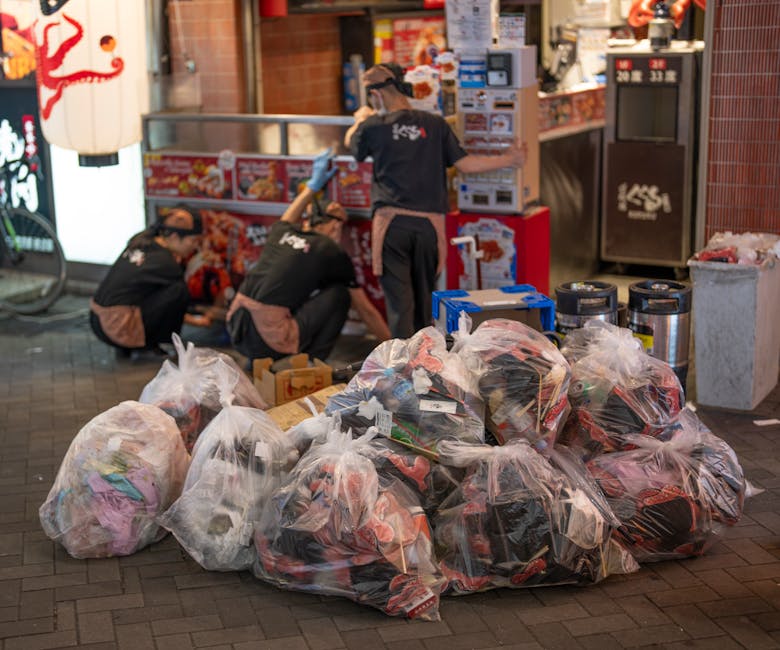
If you run a stall at Ridley Road Market, waste is not just a nuisance at the end of the day. It is part of the job, and if you handle it badly, everything becomes harder: packing up takes longer, your pitch looks scruffier, customers notice, and you can end up creating extra mess for everyone else. The good news is that Ridley Road Market waste removal tips for stallholders are usually straightforward once you build a routine that fits the rhythm of market trading. This guide walks you through the practical side of it all, from what to separate and when to clear it, to how to avoid the classic mistakes that cost time, money, and patience.
To be fair, most stallholders do not need a complicated system. They need something simple that works on a busy day, when the rain starts, the bags pile up, and you are trying to serve customers at the same time. That is where a bit of planning makes a huge difference.
Why Ridley Road Market waste removal tips for stallholders Matters
Waste management at a market stall is about more than keeping things tidy. At a busy local market like Ridley Road, waste builds fast: cardboard from deliveries, produce trimmings, food packaging, broken crates, cling film, drink cups, and the odd awkward item that never quite fits into a bag. If it is left unmanaged, it quickly becomes a problem for your stall, your neighbours, and the overall feel of the market.
A well-run waste routine helps with three big things. First, it protects presentation. A clean stall looks more professional, and that matters in a market where people are making quick decisions while walking past. Second, it reduces slip, trip, and pest risks. Third, it keeps turnaround at the end of trading day much smoother. Nobody wants to be dragging out soggy packaging in the dark while everyone else is trying to leave. Been there, and it is never fun.
There is also a wider reputation issue. Markets work best when each trader does their part. One overflowing bin can spoil the corner of a whole aisle. Let's face it, customers notice when waste is under control. They also notice when it is not.
If your stall generates bulky or mixed waste, it can help to think beyond the bin beside your pitch. A proper waste system may include pre-sorting, compacting recyclable material, arranging collection at the right time, and using the right service for heavier items. For some traders, especially those with display furniture, stock packaging, or end-of-day clear-outs, looking at broader services such as waste removal in Hackney can make operations easier than trying to handle everything manually.
How Ridley Road Market waste removal tips for stallholders Works
In simple terms, waste removal for stallholders works best when you treat it as part of your trading setup, not as an afterthought. The process usually breaks down into three stages: reducing waste before it piles up, sorting it during trading, and clearing it quickly after close.
Most of the work happens in the middle stage. You need a place for food waste, a place for recyclable materials, and a place for non-recyclable rubbish. If you sell produce, flowers, prepared food, or packaged goods, each category creates a different kind of mess. That sounds obvious, but under pressure it is easy to throw everything into one sack. One sack becomes three. Three become six. Then the van floor looks like a storm hit it.
Here is the rough pattern that usually works:
- Bring only the waste containers you actually need for that day's stock.
- Set up a visible, simple sorting system behind or beside the stall.
- Flatten cardboard as soon as it appears.
- Keep wet waste separate from dry waste where possible.
- Bag smaller items before they spread around the pitch.
- Remove waste at the end of trading before it sits overnight.
That final point matters more than people expect. Overnight waste attracts smells, gulls, foxes, and damp cardboard that becomes heavier and more annoying to move. If you have ever lifted a rain-soaked box at 5 p.m., you will know exactly what I mean.
For stallholders who need a more flexible service when waste volume spikes, a local collection option can be worth considering alongside your regular routine. A page like rubbish collection in Hackney is relevant when you need a straightforward way to shift bags, boxes, and loose items without turning your market day into a logistics puzzle.
Key Benefits and Practical Advantages
Good waste removal habits are not just about compliance or tidiness. They make trading easier. That is the real benefit. Once your system is smooth, you spend less time dealing with rubbish and more time actually selling.
- Cleaner presentation: A tidy pitch feels more trustworthy and easier to browse.
- Faster pack-down: If everything is sorted as you go, closing up is much quicker.
- Less odour and mess: Especially important for food traders and fresh produce stalls.
- Lower contamination risk: Mixed waste can ruin recyclables and make disposal more awkward.
- Better neighbour relations: Good habits reduce friction between nearby stallholders.
- Improved health and safety: Fewer loose items mean fewer slipping or tripping hazards.
There is a quieter benefit too: peace of mind. If your waste is under control, you are not constantly wondering where the next bag is going to go. That sounds small, but on a busy market day small things are everything.
Stallholders who sell bulky stock, furniture pieces, display materials, or end-of-line items may also benefit from services designed for larger loads, such as junk removal in Hackney or rubbish clearance in Hackney. The right option depends on what kind of waste you produce and how often it appears.
Who This Is For and When It Makes Sense
This advice is for any stallholder trading at Ridley Road Market, but it is especially useful if your stall generates a steady stream of packaging or organic waste. Food traders, greengrocers, florists, clothes sellers, and mixed-goods traders all face slightly different issues, though the core principle is the same: keep waste controlled from the start.
It makes particular sense if you are:
- setting up a new stall and want a simple system from day one
- trading on busy days when footfall is high and waste builds quickly
- dealing with wet, smelly, or easily damaged waste
- sharing a pitch area where space is tight
- looking for a cleaner, more professional end-of-day routine
- trying to reduce collection costs by handling sorting better
It also makes sense if you have ever had that frustrating moment where a bag tears, contents spill, and suddenly your pack-down is no longer a five-minute job. Honestly, that one is enough to convert most people.
If you are trading from a larger site, side street, or storage unit around the market area, it may also be worth browsing broader services such as the services overview to see how a waste plan might fit your overall operation. Not every stall needs the same setup, and that is fine.
Step-by-Step Guidance
If you want a practical routine, keep it simple. The best system is the one you will actually use when it is busy, damp, and slightly chaotic. Here is a straightforward process that works well for most stallholders.
1. Start before trading begins
Set up your waste containers before the first customer arrives. Do not wait until the stall is already crowded with stock and you are trying to find somewhere for boxes. Put the bins, sacks, crates, or tubs where they will not block the customer flow but are still easy to reach.
2. Separate waste as you create it
Cardboard, plastics, food waste, and general rubbish should not all go into one heap if you can help it. Even basic separation saves time later. If you only do one thing, flatten cardboard early. It is the easiest win and it buys you space immediately.
3. Keep wet and dry waste apart
Wet waste makes everything worse. It adds weight, smell, and mess. In market conditions, a damp bag can quickly become a nuisance. If you sell fruit, veg, fish, or hot food, use a setup that keeps liquids and organic waste contained.
4. Compact where it is safe to do so
Compress packaging and flatten boxes so they take up less space. Do not overfill bags. A bag that looks efficient at 1 p.m. can split by 4 p.m. and then you are chasing scraps across the pavement. Not ideal.
5. Remove high-risk items first
Take away anything that smells, leaks, or attracts pests as soon as you can. That includes food scraps, damp paper, and any broken packaging that no longer stays together. If a particular item is awkward, deal with it before the end-of-day rush.
6. Do a final sweep before you leave
Look under tables, behind crates, and around the base of your stall. A quick sweep catches the tiny bits that somehow end up everywhere. Those little scraps matter because they create the impression that the stall has been half-packed, not properly closed down.
7. Plan your removal route
Know how waste leaves the market area before you begin loading up. If you have a van, keep the load order sensible. If you are using a collection service, make sure access is clear. The less faffing around, the better. Simple, but powerful.
Expert Tips for Better Results
After handling plenty of real-world clear-outs and day-to-day waste jobs, a few patterns keep coming up. The stalls that cope best are rarely the ones with the fanciest setup. They are the ones with a routine that is boring in the best possible way.
Use a colour-coded system. Even if it is just two colours, it helps. One for recycling, one for general waste. Once everyone on the stall knows the system, it saves time and reduces mistakes.
Keep a spare roll of bags close by. It sounds obvious until the moment you run out. Then the whole day starts leaning the wrong way. A spare roll tucked somewhere dry can rescue a lot of situations.
Label bins clearly if more than one person works the stall. Staff turnover, casual help, and busy trading all make confusion more likely. Clear labels stop people guessing.
Build waste checks into your closing routine. Do not leave it to memory. If it is part of the same list every day, you are far less likely to forget a corner bag or a tucked-away box.
Think about weather. In the rain, cardboard soaks up water fast. On hot days, food waste becomes an issue sooner than you think. Winter and summer need slightly different habits. Ridley Road Market has enough weather drama as it is; your waste system should not add to it.
Choose the right disposal method for the load. A few bags are one thing. A pile of stock packaging, broken display items, and end-of-day rubbish is another. If your waste volume rises after a busy trading weekend, a one-off collection can be easier than trying to cram everything into your usual routine. For larger disposals, it may also help to review pricing and quotes so you understand how costs are usually structured.
One more small point: do not be embarrassed to make waste management visible at the stall. Some traders think it looks messy to have bags or tubs on show. In practice, a tidy, intentional system looks far better than a hidden pile that keeps spilling out of sight.
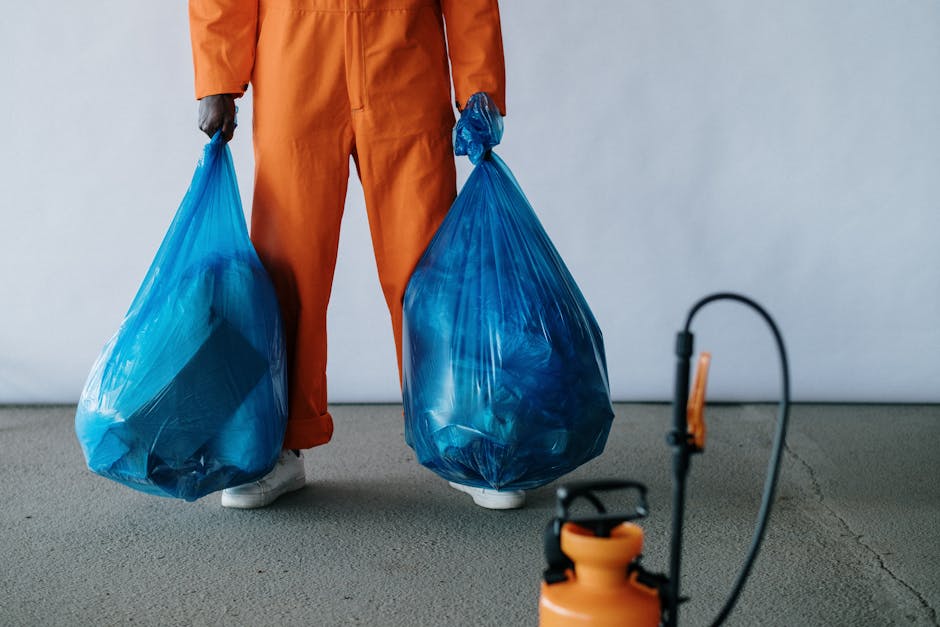
Common Mistakes to Avoid
Most waste problems at market stalls come from a handful of very ordinary mistakes. Nothing dramatic. Just small habits that snowball over the day.
- Waiting until closing to sort everything: This turns a quick job into a slow one.
- Mixing wet and dry waste: Makes bags heavier, smellier, and harder to handle.
- Using weak bags or overfilling them: A split bag is a headache nobody needs.
- Leaving cardboard unflattened: It wastes space and makes loading awkward.
- Forgetting about access: A clear waste system still fails if nobody can physically move it out.
- Assuming someone else will deal with it: This one causes friction fast.
- Keeping waste too close to food or display items: That creates hygiene and appearance problems.
The sneaky mistake is the one where you think, "I'll sort that later." Later arrives quicker than expected, usually just as you are trying to get home. Funny how that happens.
If you have had issues with hidden charges, unclear collection details, or last-minute add-ons, it can help to read up on avoiding hidden charges for rubbish removal. Knowing what to ask upfront saves real frustration later.
Tools, Resources and Recommendations
You do not need specialist kit to manage market waste well, but the right basic tools make the job easier. Think practical, not fancy.
| Tool or item | Why it helps | Best use case |
|---|---|---|
| Heavy-duty sacks | Less likely to split under pressure | General waste, food packaging, mixed light rubbish |
| Flat-pack crates or tubs | Keep reusable items and packaging organised | Stalls with a lot of stock turnover |
| Cardboard cutter | Makes flattening boxes quicker and neater | Produce, retail, and delivery-heavy stalls |
| Small bin liners | Useful for food scraps and smaller waste streams | Prepared food and fresh produce stalls |
| Hand truck or trolley | Helps move heavier waste safely | Bulkier loads and end-of-day clearances |
| Brush and dustpan | Handles the small bits that make a stall look untidy | Final sweep before leaving |
Some traders also find it helpful to keep a waterproof sheet or liner for waste that might leak in wet weather. It is a small thing, but it saves time cleaning up in the long run. If your stall regularly produces items that need separate handling, you may also want to review the broader range of options through a service page such as rubbish collection in Hackney or skip hire in Hackney, depending on volume and access.
For traders who are also looking to reduce the environmental impact of their waste, recycling and sustainability is worth a look. It is not about being perfect. It is about making sensible choices where you can.
Law, Compliance, Standards, or Best Practice
Waste at a market stall is not only a housekeeping issue. There are practical compliance expectations around cleanliness, safe handling, and correct disposal. Exact requirements can vary depending on your trading arrangements, the type of waste you produce, and the expectations of the market operator or local authority. So the sensible approach is to work to clear best practice and confirm any specific rules that apply to your pitch.
In UK practice, stallholders are generally expected to keep their area clean, prevent waste from escaping into communal spaces, and avoid creating a hazard for the public or neighbouring traders. Food-related stalls need particular care because the combination of liquid waste, packaging, and spoilage can create hygiene risks very quickly.
A few principles are worth following regardless of your trade:
- Do not block walkways or emergency access routes with waste.
- Keep rubbish contained so it does not blow away or leak.
- Separate recyclable material where practical.
- Store waste safely while waiting for collection or removal.
- Dispose of commercial waste through an appropriate route, not casual public bins unless explicitly permitted.
If you are unsure about a specific item, treat it carefully until you know where it belongs. Mixed commercial waste, sharp packaging, broken fixtures, and food remnants can all need different handling. And if a situation feels messy from a compliance point of view, it usually is messy. Trust that instinct.
For market traders who want more reassurance about responsible handling, insurance, and safety procedures, there is useful background on insurance and safety. That kind of information is especially useful when your waste routine involves heavier loads or repeated lifting.
Options, Methods, or Comparison Table
There is no single best way to handle stall waste. The right choice depends on what you sell, how much waste you produce, and how much space you have. Here is a practical comparison to help you decide.
| Method | Best for | Pros | Cons |
|---|---|---|---|
| Self-managed bags and bins | Small to medium stalls | Cheap, simple, flexible | Can get messy fast if waste volume rises |
| On-site compaction and sorting | Stalls with regular cardboard or packaging | Reduces space used, makes pack-down quicker | Needs discipline and a bit more setup |
| Scheduled collection service | Busy or high-volume stalls | Reliable, less manual handling, cleaner exit | Must fit collection timing and cost into budget |
| Occasional clearance for bulky loads | Seasonal peaks or one-off cleanouts | Good for oversized or awkward waste | Not ideal as a daily routine |
In many cases, the best approach is a mix. For example, you might manage day-to-day bags yourself and use a more structured clearance option after a particularly busy trading period. That tends to be more realistic than trying to force one method to do everything.
If your stall also involves backroom storage, office paperwork, or admin clutter, it may be worth noting that not all waste is market waste. Sometimes a separate service such as office clearance in Hackney is a better fit for non-trading materials. Different mess, different solution. Simple as that.
Case Study or Real-World Example
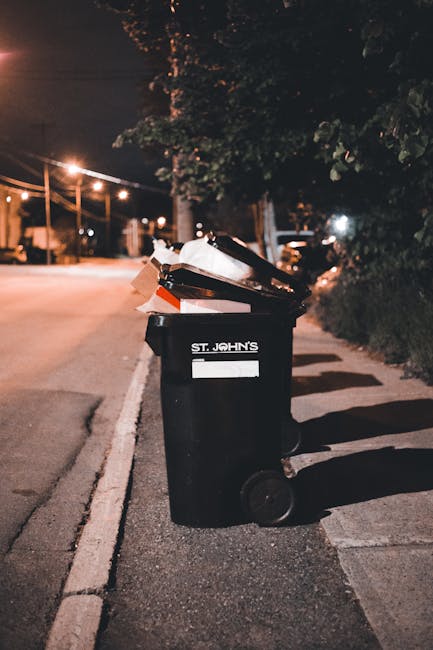
Imagine a fruit and veg stall on a damp weekday morning. Boxes arrive before opening, plastic trays stack up, peelings and damaged produce start appearing by late morning, and by early afternoon the cardboard corner is already filling. The stallholder has two choices: let everything collect in one growing pile, or build a tiny routine into the day.
In the more organised version, the trader flattens boxes as soon as they are empty, keeps wet waste in a separate container, and clears small offcuts in bursts rather than waiting until the end. By closing time, the stall still has waste, of course, but it is contained. The final sweep takes minutes, not half an hour. The pitch looks cleaner, the load is lighter, and nobody is standing around arguing about which bag goes where.
That kind of routine is not glamorous. It is not flashy. But it works.
Another useful example comes from mixed traders who sell packaged goods and a few bulky display items. They often discover that the biggest challenge is not ordinary rubbish; it is awkward packaging, broken shelving, or surplus stock materials. In those situations, a one-off removal service can be more effective than trying to squeeze everything into an already crowded van. If you have ever stacked one more box on top of a wobbly pile and hoped for the best, you know exactly what I mean.
The main lesson is this: waste removal becomes easier when you think about the shape of the waste before it becomes a pile. Small habit, big difference.
Practical Checklist
Use this checklist before, during, and after trading to keep waste under control.
- Bring enough heavy-duty sacks or liners for the day.
- Set up separate areas for cardboard, recyclables, and general waste.
- Flatten boxes as soon as they are empty.
- Keep food waste sealed and away from display items.
- Make sure waste does not block customers or staff movement.
- Do a mid-shift check so bags do not overflow.
- Keep a brush and dustpan handy for small debris.
- Remove or secure any sharp or awkward items immediately.
- Plan how waste will leave the pitch before you start packing down.
- Do a final sweep under tables and behind storage areas.
- Leave the site clean enough that the next trader is not dealing with your leftovers.
Practical summary: if you only remember one thing, make it this: sort waste early, contain it well, and remove it quickly. That is the whole game, really.
If your waste has started to outgrow your current system, the next sensible step is usually to get clear on the volume, type, and timing of what you produce, then choose a service that matches it. If you want to discuss a practical option, you can start with contact through the website and ask what best fits your stall setup.
Get a free quote today and see how much you can save.
Conclusion
Ridley Road Market waste removal tips for stallholders are really about making your working day easier, cleaner, and less stressful. A good system does not need to be complicated. It just needs to be consistent. Separate waste early, keep your stall tidy as you go, and choose the right removal method for the size and type of rubbish you generate.
When you get this right, the benefits show up in small ways first: quicker pack-downs, fewer smells, fewer spills, and a pitch that looks more cared for. Then, over time, the bigger benefits start to show as well. Less friction, less waste, less hassle. And in a place as busy and characterful as Ridley Road, that matters more than people think.
Keep it simple, stay consistent, and do not let the rubbish run the day. A little order goes a long way.


 Tipper Van - Rubbish Removal and Junk Clearance Prices in Hackney, E5
 Luton Van - Rubbish Removal and Junk Clearance Prices in Hackney, E5


